Reduced Cyclone Risk
Selective thinning allows wind to filter through the canopy, substantially reducing the torque placed on root plates.
Australian Standard AS4373 pruning to improve tree health, reduce wind resistance, and clear property lines in Parap.
Providing expert canopy pruning throughout Parap, Fannie Bay, Stuart Park, and Ludmilla.
Routine tree pruning Parap properties require is vital for maintaining long-term canopy health and mitigating structural failure during monsoonal storm events.
Parap experiences rapid tropical vegetation growth due to high year-round temperatures and monsoonal rainfall. Pruning cycles are naturally shorter here. Selective pruning under AS4373 preserves natural defense mechanisms against rot and pests while reducing the wind resistance that causes root plate failures during wet season storms.
Selective thinning allows wind to filter through the canopy, substantially reducing the torque placed on root plates.
Open up understorey gardens and outdoor entertaining areas while improving airflow around your home.
Removing dead, diseased, or crossing branches stimulates robust structural development and long-term tree vigor.
We inspect branch attachments, deadwood distribution, and clearance needs around structures on your Parap site.
We establish an AS4373-compliant plan covering specific crown thinning, lifting, or reduction targets.
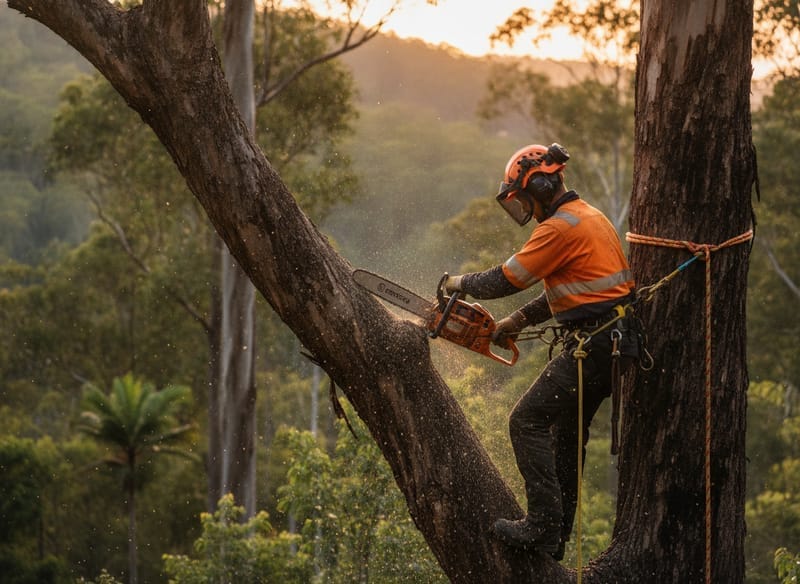
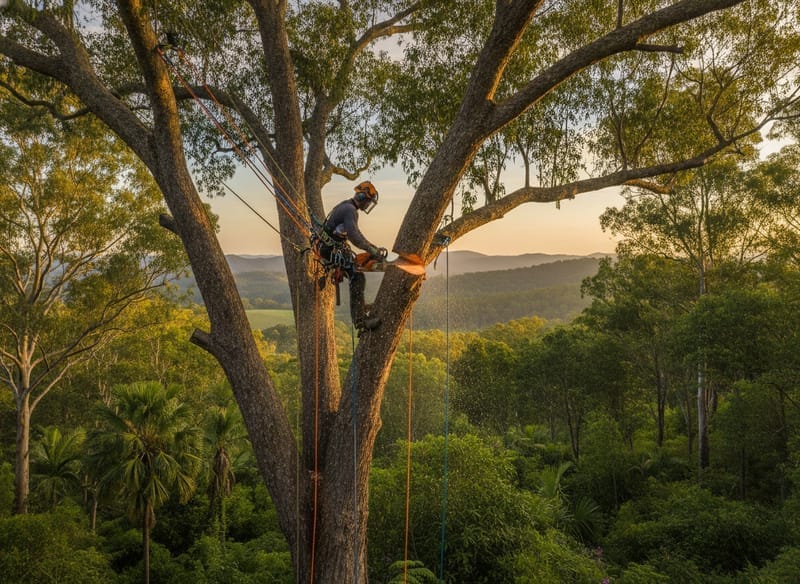
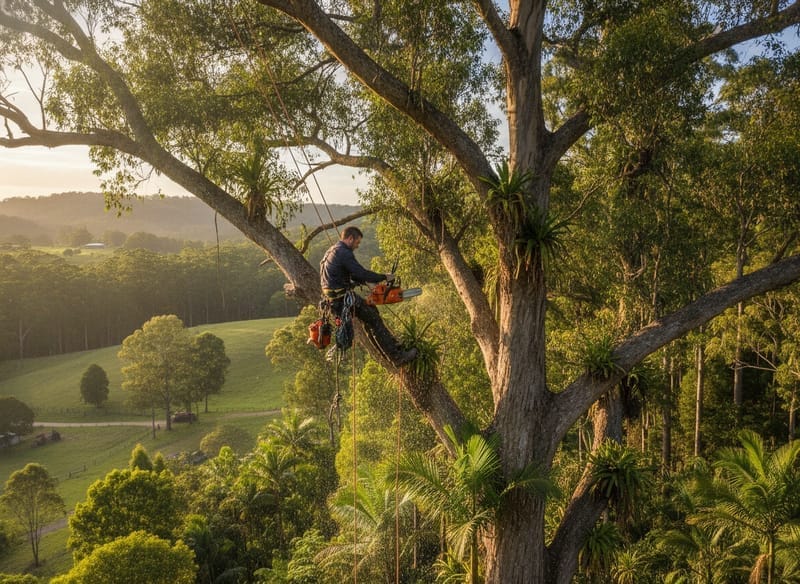
Our climbers or elevated work platform operators make precise cuts at the branch bark ridge and collar.
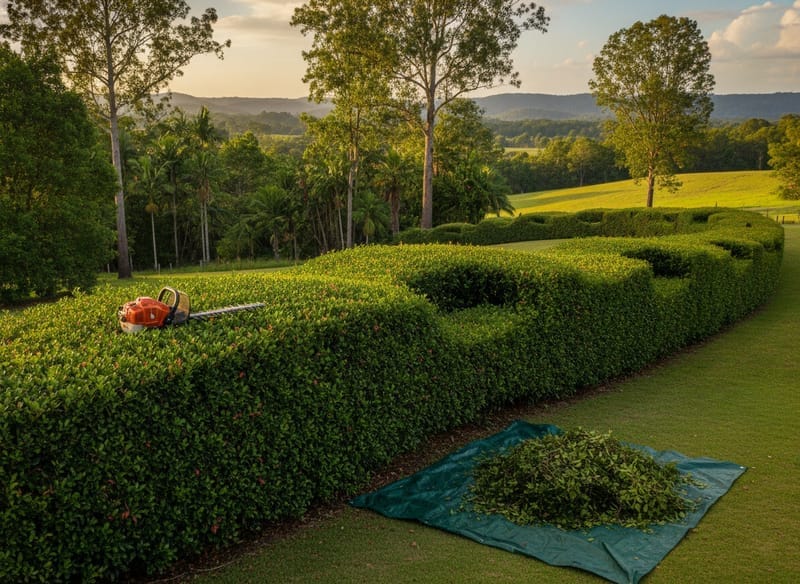
All prunings are fed through our chipper, and ground surfaces are raked clean of small twigs and leaves.
Welcome to Darwin Arborist. If you are looking for professional Tree Pruning Parap, our team of qualified local arborists is here to help.
Parap is known for its established residential blocks and beautiful canopy, but our monsoon climate and severe cyclone seasons mean those trees need careful management. After the devastating impacts of Cyclone Fina and the lessons learned from Cyclone Marcus, it has never been more important to ensure your canopy is structurally sound, wind-resistant, and free from deadwood.
Whether you have an overgrown Banyan shading your roofline or a heavy-canopied African Mahogany that needs weight reduction before the wet season, our climbers provide targeted, AS4373-compliant pruning. We don't just hack trees back; we improve their form and safeguard your property against Top End storms.
When seeking Tree Pruning Parap, the biggest mistake property owners make is hiring unqualified operators to 'lop' or top their trees. Lopping involves indiscriminately cutting branches back to stubs, which is highly damaging. It removes the tree's energy reserves and triggers panic growth—fast-growing, weakly attached epicormic shoots that are highly prone to snapping during Darwin’s violent wet season storms. Instead of lopping, our team practices strict, AS4373-compliant pruning. We understand the specific structural challenges Darwin trees face. Our lateritic red soil and hardpan restrict rooting depth, meaning trees often develop shallow root plates. If a tree’s canopy is carrying too much wind load, or if it has been overwatered and developed a balled root system, it becomes a prime candidate for windthrow during a cyclone. The solution is professional crown thinning and selective pruning. By carefully removing the right branches at the correct growth collars, we reduce the sail area of the canopy. This allows monsoon winds to pass cleanly through the tree rather than pushing against a dense wall of foliage. Proper pruning reduces the leverage on those shallow roots, keeping your trees upright and your property safe when the next severe weather event hits.
We utilise advanced climbing techniques and follow strict arboricultural standards to deliver precise cuts tailored to the unique demands of the Territory.
Selective removal of small live branches to reduce wind load while preserving the tree's natural form. Crucial for heavy-canopied species like Mango and Sea Almond before cyclone season. We remove no more than 25–30% of live foliage.
Systematic removal of dead, dying, or diseased branches from the canopy. This eliminates immediate hazard risks over driveways, roofs, and footpaths, preventing dead timber from becoming airborne during high winds.
Removing lower branches to increase clearance underneath the canopy. This is ideal for improving pedestrian access, driveway clearance, or meeting City of Darwin by-law requirements for overhanging verge vegetation.
Selectively shortening branches back to a lateral branch of suitable size. This is entirely distinct from lopping; we make clean cuts at proper branch unions to reduce the height or spread of an overgrown tree safely.
Early-life shaping of young trees to establish a strong, single dominant leader and well-spaced scaffold branches. This proactive work ensures future resilience against Top End storms.
Delivering exceptional Tree Pruning Parap requires a systematic, professional approach from the first call to the final cleanup. First, we conduct an on-site consultation at your property. We assess the tree's health, species, and structural integrity, paying special attention to signs of decay or shallow root plating. We listen to your goals—whether that is hazard reduction, gaining more sunlight, or clearing a boundary line—and provide a fixed, transparent quote. On the day of the job, our team arrives with the right equipment for the site. For tight-access residential blocks, our climbers use advanced rope access techniques (SRT/DRT) to scale the tree without heavy machinery. For more accessible sites, we may deploy an EWP to safely reach the outer canopy. Once positioned, we perform precise target pruning using professional silky handsaws and top-handle chainsaws, making clean cuts at the branch collar to promote rapid healing. All pruned branches are carefully rigged and lowered to the ground to prevent damage to your landscaping. Finally, our ground crew processes all debris through our high-capacity wood chippers. We leave your site immaculate, either taking the green waste away or leaving the fresh mulch for your garden, depending on your preference.
All tree pruning undertaken by our team strictly adheres to AS4373 - Pruning of Amenity Trees. We do not take shortcuts. Our crews consist of AQF Level 3 qualified arborists who utilise advanced rope access and Elevated Work Platforms (EWPs) to safely navigate your canopy.
Safety is non-negotiable in the Top End. We are fully insured with comprehensive Public Liability and WorkCover for all our staff. From utilising top-handle chainsaws for precise in-tree cuts to executing complex rigging scenarios over fragile roofs, our climbers hold all necessary high-risk tickets, ensuring your property is completely protected while we work.
Understanding the local environment is critical for successful tree care. Unlike many southern cities, the City of Darwin has very little regulation regarding trees on private residential land. There is no protected tree register for standard private blocks, meaning you do not need council permission for pruning on your own Parap property. However, Council By-law 103 mandates that owners must trim vegetation overhanging a footpath or road to ensure safe public access. We regularly handle these compliance prunes for local residents. Parap's environment also dictates how we prune. Fast-growing, heavy species like African Mahogany and Rain Trees require regular crown thinning to survive our monsoon season and intense cyclonic winds like those seen during Cyclone Fina. Conversely, resilient native species like Northern Milkwood and Darwin Woollybutt often just need structural deadwooding. We tailor our approach to the exact species and its interaction with Darwin’s shallow, gravelly lateritic soils, ensuring maximum stability.
After our team completes a prune, your tree will begin a natural healing process. Because we cut precisely at the branch collar, the tree will compartmentalise the wound effectively without the need for harmful pruning paints or sealants. During the dry season, ensure your tree receives deep, infrequent watering to encourage downward root growth through the lateritic soil, rather than shallow daily watering which creates unstable root balls. Keep an eye on the canopy over the following wet seasons. With Darwin’s rapid growth rates, we recommend scheduling an inspection every 12 to 24 months to address any new deadwood or heavy regrowth before the next cyclone season hits.
Tree pruning pricing in Parap is calculated based on the scope of canopy reduction and site access constraints.
We provide honest, fixed-rate quotes for all pruning work following an on-site review.
Delivering expert tree pruning and maintenance across Parap and adjacent localities.
Book an on-site canopy assessment with our qualified arborists today.
Get a Free Quote